
NEWS
INSIDE THE EPSTEIN FILES: Thousands of Cryptic “Code Terms,” and the Moment Investigators Say the Messages Became Impossible to Ignore

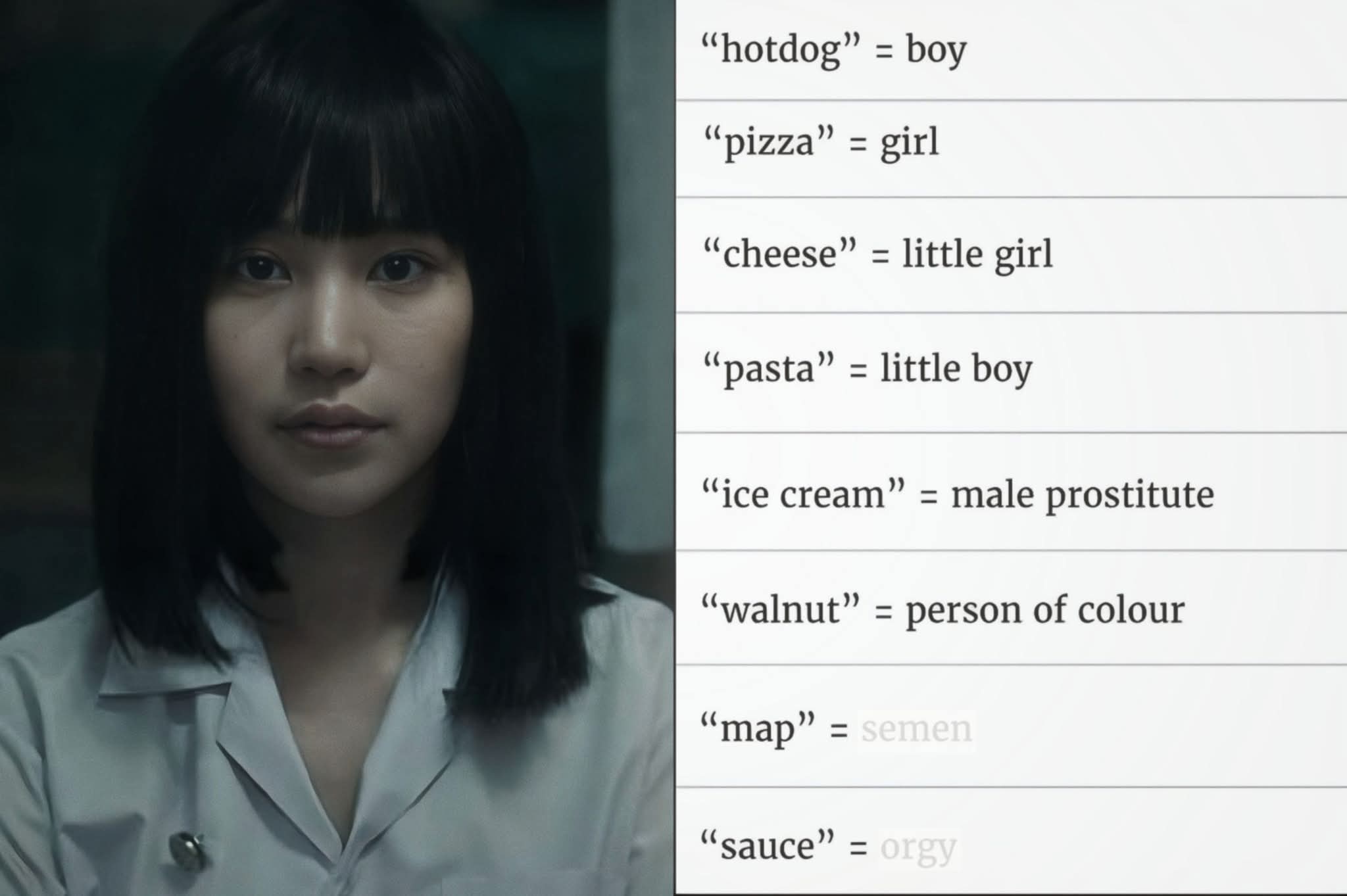
For years, many of the messages tied to Jeffrey Epstein appeared strangely unremarkable.
Short texts. Vague phrases. Language that felt incomplete or oddly casual. To the untrained eye, much of it looked confusing, even meaningless. But according to investigative summaries and descriptions of the Epstein case materials, that ambiguity wasn’t accidental—it was functional.
It was designed to hide meaning in plain sight.
When Patterns Began to Emerge
According to reports describing how federal analysts reviewed the evidence, investigators initially examined the messages individually. Read that way, they revealed little. But when analysts began comparing conversations across time, recipients, and contexts, something stood out: unusual repetition.
The same words.
The same phrases.
The same shorthand appearing again and again.
What first looked like eccentric communication reportedly began to resemble a structured system. Analysts shifted their approach, treating the messages not as isolated texts but as components of a broader linguistic pattern.
That shift changed everything.
The Claim That Reframed the Messages
According to investigative descriptions cited in reports, analysts ultimately identified thousands—over 9,000—instances of recurring coded terms embedded across Epstein-related communications.
Individually, these words appeared harmless. But repetition gave them weight. Context gave them direction. Once interpreted as coded language rather than literal speech, the messages allegedly became far clearer in intent.
What once seemed vague now appeared deliberate.
Not louder.
Not explicit.
Just precise.
Why Coded Language Matters
Experts in criminal investigations have long noted that illicit networks often rely on coded communication. Direct statements create risk. Codes create distance and deniability.
According to case descriptions, the alleged coding system in the Epstein materials followed familiar traits:
Ordinary words used as substitutes
Consistent repetition to establish shared meaning
Context-dependent interpretation
Messages that appeared benign unless viewed collectively
Once analysts applied that framework, the tone of the communications reportedly shifted dramatically.
The Detail That Still Disturbs Readers
Public attention has largely focused on names, locations, and timelines. But according to those familiar with investigative methods, language analysis may have been one of the most revealing—and least discussed—elements of the case.
Decoding doesn’t happen instantly. It happens through accumulation. A word repeated enough times stops being random. Meaning emerges whether anyone wants it to or not.
And once it does, it can’t be unseen.
If accurate, the claim of thousands of coded references suggests more than secrecy. It suggests coordination, shared understanding, and long-term concealment.
Which raises a troubling question, If meaning had to be decoded, how much went unnoticed before the pattern was recognized?

Brent Just Fixed Prices at Historic Lows – WTI Shock Update Is Even More Devastating! Governments & Traders in Total Chaos!

King Charles III Confirmed Dead Following Secret Long Illness – Palace’s Unusual Silence Was a Desperate Cover-Up as Family Fought to Prepare the Succession!

Iran Accuses US & Israel of Starting War on Completely False Pretenses – “We Have Proof It Was All Lies!” Tehran Swears to Fight to the Death!

Trump Just Stopped the War and Dumped Iran onto Israel! “It’s Their Fight Now” – US Forces Pulling Back as Israel-Iran Bloodbath Begins! Leaked Statement Inside

SHOCKING BETRAYAL: Iran’s New “Leader” Mojtaba Fights for Life in Secret ICU – Gutted in Abdomen, Legs Mangled, Unaware War Rages or Family Was Massacred! Doctors Desperate as Regime Hides the Truth!

BREAKING REPORT: Concern After New Incident Involving Donald Trump While Boarding Air Force One

SHOCKING ENDGAME: Benjamin Netanyahu DEAD – Iran’s Elite Guard Corps Delivers Fatal Blow in Jerusalem Strike! Fate Sealed – No More Lies from Tel Aviv! See the Explosive Evidence

The Official Narrative: Death Confirmed, Successor Installed

🚨 INTERNET ERUPTS: Epstein Files Were Dominating Searches… Then Iran Strikes Hit and the Story Disappeared Overnight — What Just Happened?!

Victims Unleash Epstein’s Secret Name List with Jaw-Dropping Details & Viral Video – Why Hollywood & DC Are in Full Panic Mode Right Now! 😱

Special Counsel Jack Smith Releases Explosive Trump Dossier – Hidden Upload Sites Exposed, Sparking Panic in Trump Camp and Jordan’s Fierce Counterplot
