
NEWS
Mojtaba Khamenei Named Iran’s New Supreme Leader Following Father’s Assassination

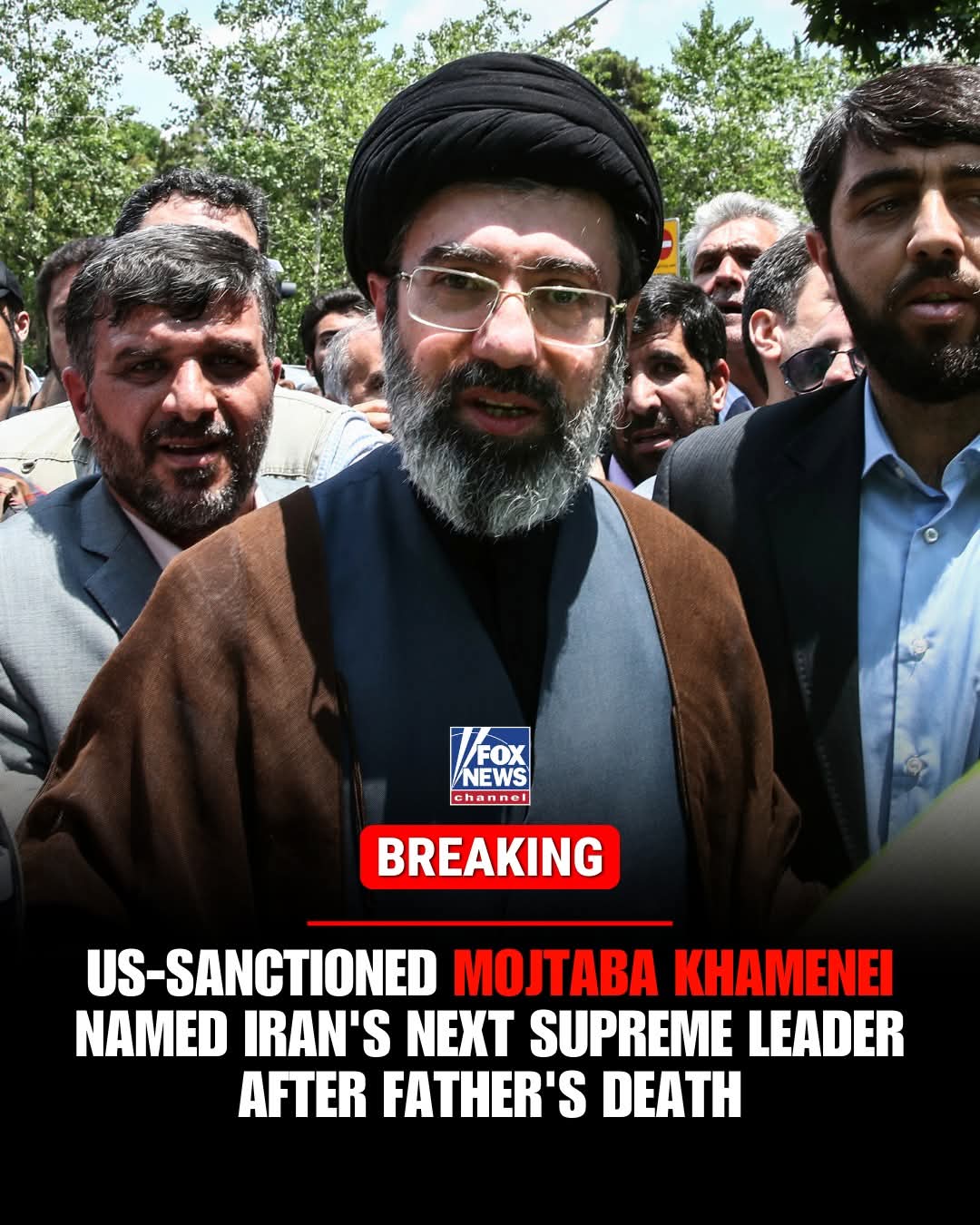
In a swift and dramatic move amid escalating war with the United States and Israel, Iran’s Assembly of Experts has appointed Mojtaba Khamenei as the country’s new Supreme Leader, succeeding his slain father, Ayatollah Ali Khamenei. Iranian state media announced the decision early Monday, March 9, 2026, just over a week after joint U.S.-Israeli airstrikes killed the 86-year-old leader on February 28, plunging the Islamic Republic into its most severe crisis in nearly five decades.
Mojtaba Khamenei, 56, has long operated as a shadowy but influential figure behind the scenes. Often seen at his father’s side during key events, he wielded significant power without holding any formal elected or appointed government role. U.S. sanctions imposed on him since 2019 cited his representation of the Supreme Leader in official capacities, underscoring his perceived role as a de facto power broker within the regime’s inner circle, particularly with ties to the Islamic Revolutionary Guard Corps (IRGC).
The Assembly of Experts—a body of 88 clerics responsible for selecting the Supreme Leader—described the choice as based on a “decisive vote,” urging national unity behind the new leader during wartime. Analysts view the appointment as a signal of continuity in hard-line theocratic rule, backed by pressure from the IRGC to maintain stability and deter further foreign aggression. Mojtaba’s ascension breaks with precedent by effectively establishing a familial succession, drawing criticism from those who fear it echoes the pre-1979 monarchy the Islamic Revolution overthrew.
The timing is critical: Iran faces relentless airstrikes targeting military sites, oil facilities, and leadership compounds, while retaliatory missile barrages continue against Israel and U.S. allies. President Donald Trump has dismissed the new leader as a “lightweight” and vowed the regime’s days are numbered, while Israeli officials have signaled no hesitation in targeting successors.
Mojtaba now assumes command of Iran’s armed forces, nuclear policy oversight, and theocratic authority at a pivotal moment. His low public profile—he rarely speaks or appears openly—may help project an image of steady resolve, but questions linger about his ability to unify factions amid internal dissent and external bombardment.
As the war intensifies, with reports of Russian and Chinese aid arriving and fears of broader escalation mounting, Mojtaba Khamenei’s leadership will be tested immediately. Whether this dynastic transition strengthens Iran’s resolve or exposes deeper vulnerabilities remains to be seen in the smoke-filled days ahead.

Brent Just Fixed Prices at Historic Lows – WTI Shock Update Is Even More Devastating! Governments & Traders in Total Chaos!

King Charles III Confirmed Dead Following Secret Long Illness – Palace’s Unusual Silence Was a Desperate Cover-Up as Family Fought to Prepare the Succession!

Iran Accuses US & Israel of Starting War on Completely False Pretenses – “We Have Proof It Was All Lies!” Tehran Swears to Fight to the Death!

Trump Just Stopped the War and Dumped Iran onto Israel! “It’s Their Fight Now” – US Forces Pulling Back as Israel-Iran Bloodbath Begins! Leaked Statement Inside

SHOCKING BETRAYAL: Iran’s New “Leader” Mojtaba Fights for Life in Secret ICU – Gutted in Abdomen, Legs Mangled, Unaware War Rages or Family Was Massacred! Doctors Desperate as Regime Hides the Truth!

BREAKING REPORT: Concern After New Incident Involving Donald Trump While Boarding Air Force One

SHOCKING ENDGAME: Benjamin Netanyahu DEAD – Iran’s Elite Guard Corps Delivers Fatal Blow in Jerusalem Strike! Fate Sealed – No More Lies from Tel Aviv! See the Explosive Evidence

The Official Narrative: Death Confirmed, Successor Installed

🚨 INTERNET ERUPTS: Epstein Files Were Dominating Searches… Then Iran Strikes Hit and the Story Disappeared Overnight — What Just Happened?!

Victims Unleash Epstein’s Secret Name List with Jaw-Dropping Details & Viral Video – Why Hollywood & DC Are in Full Panic Mode Right Now! 😱

Special Counsel Jack Smith Releases Explosive Trump Dossier – Hidden Upload Sites Exposed, Sparking Panic in Trump Camp and Jordan’s Fierce Counterplot
