
NEWS
The Official Narrative: Death Confirmed, Successor Installed

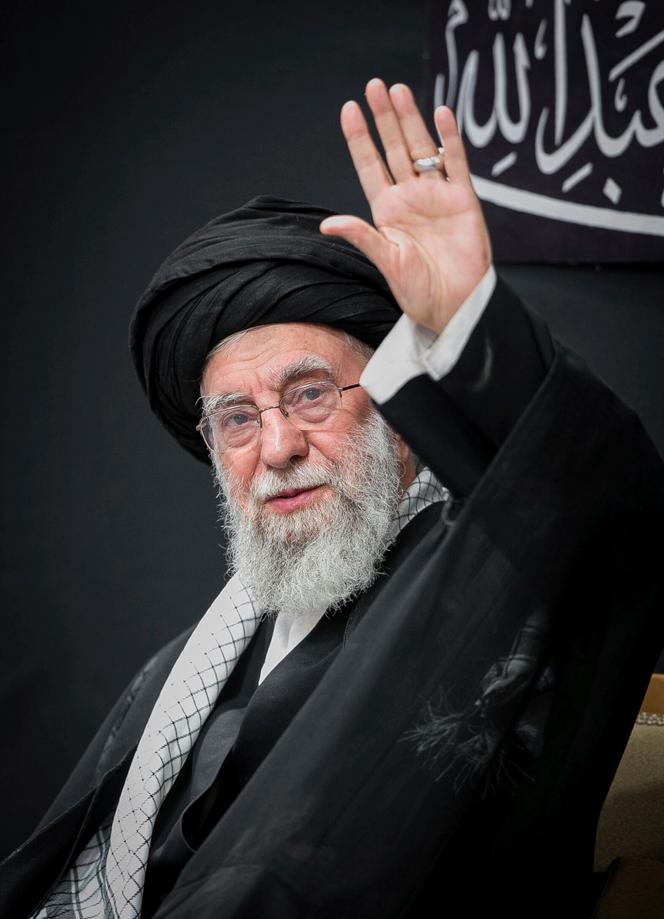
In the chaotic fog of the ongoing US-Israel war on Iran, one explosive claim has exploded across social media and fringe channels: Ayatollah Ali Khamenei is alive—and he faked his own death in a dramatic escape plot involving a secret tunnel straight to Moscow. The headline “SHOCKING TWIST: Khamenei ALIVE! He Faked His Death in US-Israel Strike – Secret Escape Tunnel to Moscow Exposed! Full Proof Inside” has racked up millions of views, shares, and heated debates. But what lies behind this viral sensation?
The Official Narrative: Death Confirmed, Successor Installed
According to Iranian state media, international reports, and multiple Western outlets, Ayatollah Ali Khamenei—the Islamic Republic’s Supreme Leader since 1989—was killed on February 28, 2026, in the opening hours of joint US-Israeli airstrikes targeting his compound in Tehran. The strikes reportedly obliterated parts of his residence, killing him along with family members, top aides, and other senior figures. Iranian authorities declared 40 days of national mourning, postponed funeral plans amid continued bombardment, and swiftly moved to select a successor.
By March 9, 2026, the Assembly of Experts unanimously named his son, Mojtaba Khamenei, as the new Supreme Leader. Mojtaba—elevated to Ayatollah status—issued his first public message days later (read aloud on state television rather than delivered in person), vowing defiance, keeping the Strait of Hormuz closed as leverage, and promising further retaliation against aggressors. Crowds rallied in Tehran behind the new leader, while global powers grappled with the power shift in a nation now deeply embroiled in regional war.
Israeli and US sources described finding Khamenei’s body in a bunker, with President Trump and others publicly celebrating the “elimination” of what they called a major threat. Fact-checks have debunked circulating images purporting to show his corpse in rubble as AI-generated fakes.
The Conspiracy That Won’t Die
Yet whispers of survival refuse to fade. Proponents of the “Khamenei alive” theory point to several elements:
Pre-war escape planning: Reports from early 2026 (including from The Times) revealed that Khamenei had allegedly prepared an emergency evacuation route to Moscow, involving a small circle of family and aides, should internal unrest or external threats force him out. Russia’s close alliance with Iran, including military cooperation, fuels speculation that Putin could provide safe haven.
Initial confusion in reporting: Early hours after the strikes saw conflicting statements—some Iranian officials initially denying senior losses, with Foreign Minister Abbas Araghchi telling outlets that Khamenei was “alive as far as I know.” Old videos of Khamenei speaking were repurposed online to claim he had “just addressed the world,” only for fact-checkers to date them weeks earlier.
The son’s low profile: Mojtaba Khamenei has not appeared publicly or on camera since assuming power. His messages come via written statements read by anchors, sparking rumors that the regime is buying time—or covering for the elder Khamenei’s survival in exile.
Tunnel lore: Tehran’s vast network of underground bunkers and tunnels (built for decades to protect against airstrikes) has long been the stuff of legend. Conspiracy posts claim a “5-kilometer tunnel” or secret passage linked to an airfield allowed Khamenei to slip away before or during the strikes, then flee via private jet or covert transport to Russia.
Social media explodes with “leaked maps,” blurry satellite images of alleged escape routes, and anonymous “insider” accounts insisting the death announcement was a strategic ruse to rally the nation, confuse enemies, or allow the Supreme Leader to orchestrate revenge from safety.
Reality Check Amid the Chaos
Mainstream intelligence assessments, state confirmations from Iran itself, and the rapid installation of Mojtaba as successor all point to one conclusion: Ali Khamenei is deceased. No credible evidence—documents, videos, or verifiable sightings—has emerged to support survival claims. Moscow has offered condolences rather than hints of harboring him, and no Russian officials have acknowledged any such arrival.
The “faked death” narrative thrives in wartime disinformation ecosystems, where fog, propaganda, and wishful thinking collide. For regime hardliners, it preserves the myth of an invincible leader; for opponents, it keeps hope alive that the old guard might return—or face justice later.
As bombs continue to fall and the region teeters, one thing remains clear: in the shadow of war, truth is often the first casualty—and viral hoaxes like this one spread faster than missiles. Whether Khamenei met his end in Tehran rubble or slipped into Moscow shadows, the Islamic Republic marches on under new (but familiar) leadership, with the world watching every move.

Brent Just Fixed Prices at Historic Lows – WTI Shock Update Is Even More Devastating! Governments & Traders in Total Chaos!

King Charles III Confirmed Dead Following Secret Long Illness – Palace’s Unusual Silence Was a Desperate Cover-Up as Family Fought to Prepare the Succession!

Iran Accuses US & Israel of Starting War on Completely False Pretenses – “We Have Proof It Was All Lies!” Tehran Swears to Fight to the Death!

Trump Just Stopped the War and Dumped Iran onto Israel! “It’s Their Fight Now” – US Forces Pulling Back as Israel-Iran Bloodbath Begins! Leaked Statement Inside

SHOCKING BETRAYAL: Iran’s New “Leader” Mojtaba Fights for Life in Secret ICU – Gutted in Abdomen, Legs Mangled, Unaware War Rages or Family Was Massacred! Doctors Desperate as Regime Hides the Truth!

BREAKING REPORT: Concern After New Incident Involving Donald Trump While Boarding Air Force One

SHOCKING ENDGAME: Benjamin Netanyahu DEAD – Iran’s Elite Guard Corps Delivers Fatal Blow in Jerusalem Strike! Fate Sealed – No More Lies from Tel Aviv! See the Explosive Evidence

The Official Narrative: Death Confirmed, Successor Installed

🚨 INTERNET ERUPTS: Epstein Files Were Dominating Searches… Then Iran Strikes Hit and the Story Disappeared Overnight — What Just Happened?!

Victims Unleash Epstein’s Secret Name List with Jaw-Dropping Details & Viral Video – Why Hollywood & DC Are in Full Panic Mode Right Now! 😱

Special Counsel Jack Smith Releases Explosive Trump Dossier – Hidden Upload Sites Exposed, Sparking Panic in Trump Camp and Jordan’s Fierce Counterplot
