
NEWS
🚨 BREAKING: POWERFUL 7.0-MAGNITUDE EARTHQUAKE HITS TIBET, KILLING 16 PEOPLE AS HOMES COLLAPSE AND RESCUE TEAMS RACE AGAINST TIME 😢🌍

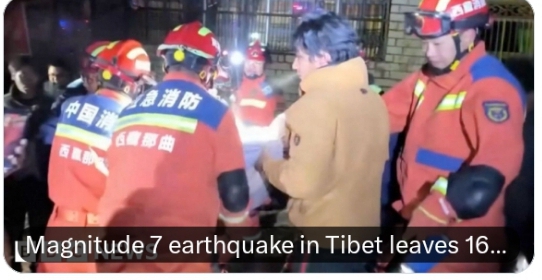
🚨 BREAKING: POWERFUL 7.0-MAGNITUDE EARTHQUAKE HITS TIBET, KILLING 16 PEOPLE AS HOMES COLLAPSE AND RESCUE TEAMS RACE AGAINST TIME 😢🌍
A devastating earthquake has struck Tibet, killing at least 16 people, injuring dozens more, and leaving families facing unimaginable loss. As rescue teams rush to help survivors, the full extent of the destruction is still emerging.
A powerful earthquake has struck the mountainous region of Tibet in southwestern China, triggering an emergency response after reports confirmed that at least 16 people had died. The disaster has raised serious concerns about the safety of residents in affected communities, as emergency workers continue searching for survivors and assessing the damage caused by the violent shaking.
The earthquake, which measured magnitude 7.0, struck on Thursday evening, October 22, 2026, in the Nagqu region of northern Tibet. According to reports from Chinese state media, the tremor caused hundreds of homes to collapse, leaving residents scrambling to escape as buildings shook and debris fell around them. The situation has created an urgent need for rescue operations, medical assistance, and temporary shelter for people whose homes have been damaged or destroyed.
A TERRIFYING NIGHT AS THE GROUND BEGAN TO SHAKE
For residents in the affected communities, what began as an ordinary evening quickly turned into a frightening struggle to reach safety. Powerful earthquakes can strike with little warning, giving people only seconds to react before buildings begin shaking and objects fall from shelves.
In the affected areas of Tibet, reports indicate that people rushed out of their homes and sought safety outdoors or inside vehicles as the earthquake struck. The sudden movement of the ground left residents facing uncertainty about whether their homes would remain standing and whether it would be safe to return indoors.
For families living in buildings that suffered structural damage, the danger did not necessarily end when the shaking stopped. Damaged walls, unstable roofs, falling debris, and subsequent tremors can create additional risks for people attempting to recover belongings or check on relatives.
The reported loss of life makes this disaster especially painful. Behind every confirmed death is a family, a group of friends, and a community dealing with grief that cannot be measured by statistics alone.
As further information emerges, the priority remains clear: protect survivors, provide urgent medical care, and ensure that people who have lost their homes receive the support they need.
HUNDREDS OF HOMES REPORTEDLY COLLAPSED
One of the most alarming aspects of the disaster is the scale of the reported structural damage.
According to reports from local authorities cited by official media, at least 339 homes and 20 livestock sheds collapsed following the earthquake. The damage has complicated the response, as rescue personnel must assess buildings, identify dangerous structures, and determine where assistance is needed most urgently.
Losing a home during an earthquake can turn an already frightening experience into a prolonged humanitarian emergency.
A house is more than a collection of walls and a roof. It is where families sleep, prepare meals, protect their children, store their belongings, and find comfort after a difficult day. When that home collapses, residents may suddenly find themselves without adequate clothing, bedding, food, or a safe place to spend the night.
The challenge can be even greater in remote mountainous communities, where reaching affected households may take time and transportation routes can be disrupted by debris.
For families whose homes remain standing but have visible cracks or other structural damage, uncertainty can also be overwhelming. Authorities must determine which buildings are safe to occupy and which require further inspection before residents can return.
The reported destruction highlights the importance of rapid damage assessments and the delivery of emergency supplies to affected communities.
RESCUE TEAMS RACE TO HELP SURVIVORS
Following the earthquake, emergency personnel were mobilized to assist affected residents and support rescue operations.
Reports indicate that more than 1,600 people from the local county were deployed for rescue efforts. Authorities also arranged emergency supplies, including temporary housing units, tents, folding beds, flashlights, and winter clothing.
These supplies are essential because surviving an earthquake is only the first step toward recovery.
People who have lost their homes may need immediate shelter, warm clothing, clean drinking water, food, medical attention, and access to reliable information. Those who have suffered injuries may require urgent treatment, while families separated during the emergency may need assistance locating one another.
Rescue teams must also work carefully around damaged structures. Rushing into an unstable building without proper assessment can place both survivors and rescuers at risk.
Every search operation requires coordination, appropriate equipment, and accurate information about the locations where people may be trapped or injured.
The coming hours and days will therefore be important as authorities continue evaluating the damage and determining what additional assistance is required.
DOZENS INJURED AS THE DEATH TOLL REMAINS A CONCERN
Although at least 16 deaths had been reported, the earthquake also left dozens of people injured.
Initial reports described 32 injured people, while later updates indicated that the number had risen to 65. The reported death toll remained at 16 in those later updates, underscoring the importance of following verified information as rescue and medical operations continue.
For injured survivors, receiving medical assistance quickly can make a significant difference.
Earthquake injuries can include cuts, fractures, crush injuries, and trauma caused by falling objects or collapsing structures. Some injuries may not be immediately obvious, which makes medical assessment important even for people who initially believe they have escaped unharmed.
Hospitals and emergency personnel may also face difficult conditions when many people require assistance at the same time.
Meanwhile, families waiting for news about missing or injured relatives must cope with fear and uncertainty. In situations like this, clear communication from authorities is crucial to helping people understand what has happened and where they can seek assistance.
As more information becomes available, the public should avoid sharing unverified casualty figures or old images presented as current footage. Accurate reporting helps keep attention on the people who need assistance most.
WHY THE EARTHQUAKE HAS CREATED ADDITIONAL CHALLENGES
The affected region presents several challenges for rescue and recovery operations.
The earthquake struck a high-altitude area of northern Tibet, where difficult terrain and remote settlements can complicate access for emergency personnel. Reports also indicated that rockfalls forced the closure of part of National Highway 317, restricting access to emergency, rescue, and official support vehicles.
Road closures can delay the delivery of food, medical supplies, shelter materials, and equipment needed by rescue teams.
Communications disruptions can create another challenge. When telephone or other communication services are interrupted, residents may struggle to contact relatives or receive timely information about emergency arrangements.
Weather conditions are also a concern. Reports indicated that intermittent snow was expected in the affected region over the following three days, potentially making conditions more difficult for people without adequate shelter.
For families already displaced by the earthquake, cold weather can increase the urgency of providing suitable temporary accommodation and warm clothing.
These challenges demonstrate why disaster response requires more than rescuing people from damaged buildings. Authorities must also help communities remain safe while infrastructure is inspected and essential services are restored.
AFTERSHOCKS CAN KEEP COMMUNITIES ON EDGE
Even after the initial earthquake, residents may remain frightened by the possibility of additional tremors.
Smaller earthquakes known as aftershocks can occur following a major seismic event. Although many are less powerful than the original earthquake, some can cause further damage to buildings that have already been weakened.
This is why residents are generally advised to follow official safety instructions and avoid entering damaged buildings until authorities determine that they are safe.
People who feel another tremor while indoors should protect themselves from falling objects and follow locally recommended earthquake safety procedures. If they are outside, they should move away from buildings, walls, power lines, and other hazards where possible.
Emergency authorities and trained rescue personnel are best placed to assess damaged structures and identify areas that should remain off-limits.
For people who have lost their homes, the wait for reassurance can be difficult. However, returning to a damaged building before it has been inspected can expose families to additional danger.
The safety of survivors and rescue workers must remain the priority throughout the response.
A REMINDER OF HOW QUICKLY DISASTER CAN CHANGE LIVES
The earthquake in Tibet is another reminder that natural disasters can transform ordinary lives in a matter of seconds.
One moment, families may be preparing for bed, talking with relatives, or making plans for the following day. The next, they may be rushing outdoors, searching for loved ones, or discovering that their homes have been damaged beyond repair.
For those who have lost family members, the road ahead will involve grief and adjustment. For injured survivors, recovery may require weeks or months of treatment. For displaced residents, rebuilding a sense of security may take even longer.
Communities affected by disasters often depend on cooperation between emergency services, medical teams, local authorities, volunteers, and organizations that provide humanitarian assistance.
The needs of survivors will continue beyond the first headlines. Temporary accommodation, medical care, the restoration of essential services, and the repair or rebuilding of homes can all become part of the longer recovery process.
The international community can also help by paying attention to verified updates and supporting reputable humanitarian organizations working in disaster response.
Most importantly, the people affected by this earthquake should not be reduced to a number in a news report. Each person deserves dignity, compassion, and the opportunity to receive the assistance needed to recover.
THE WORLD WAITS FOR MORE UPDATES FROM TIBET
As rescue and assessment operations continue, authorities face the difficult task of determining the full extent of the damage and responding to the needs of affected residents.
The confirmed reports of deaths, injuries, and collapsed homes have already established the seriousness of the disaster. However, conditions can change as rescue teams reach more locations and medical assessments continue.
For now, the most important priorities are locating anyone who may still need assistance, treating injured survivors, providing safe shelter, and ensuring that emergency workers can reach affected communities.
Families who have lost loved ones deserve compassion. Those who have been injured deserve medical care. Those who have lost their homes deserve safety and support as they begin the difficult process of rebuilding their lives.
This tragedy also reminds us not to take the safety of our families and communities for granted. Disasters can arrive without warning, and preparedness, reliable information, and coordinated emergency responses can help reduce the risks people face.
Sixteen lives have reportedly been lost, dozens of people have been injured, and hundreds of homes have collapsed. Behind these figures are real people whose lives have been changed forever.
As the situation develops, attention must remain on the survivors, the rescue teams working under difficult conditions, and the families waiting for answers.
💔 YOUR VOICE MATTERS
What message would you like to send to the families affected by this devastating earthquake in Tibet?
Do you believe communities around the world should do more to support people affected by major natural disasters?
Share your thoughts in the comments, and share this report to help keep attention on the people affected. Please rely on verified updates as more information becomes available. 🙏🌍

🚨🔥 CHELSEA VS TOTTENHAM HOTSPUR! 💙 THE LONDON DERBY EVERY BLUES FAN IS WATCHING! ✊

🚨 BREAKING: THE U.S. PENTAGON RAISES THE ALARM OVER CHINA-FUNDED CONFUCIUS INSTITUTES — NATIONAL SECURITY CONCERNS TAKE CENTER STAGE!

🚨 JUST IN: 🇰🇵 KIM JONG UN SENDS A CHILLING MESSAGE TO THE WORLD! NORTH KOREA REMAINS COMMITTED TO EXPANDING ITS NUCLEAR WEAPONS PROGRAM!

🚨🔥 THE SAN FRANCISCO 49ERS ARE MAKING A STATEMENT! MORE WINS THAN BROCK PURDY SACKS THIS SEASON!

🚨 BREAKING NEWS: Bayern Munich Head Coach Vincent Kompany Rushed to Hospital After Collapsing — Football Fans Worried About His Condition! 😢⚽

💙 JUST IN: TAYLOR SWIFT’S DEBUT ALBUM TURNS 20! 🥹🎶 TWO DECADES LATER, SWIFTIES STILL REMEMBER WHERE IT ALL BEGAN!

🚨 JUST IN: Cam Skattebo Sends a Chilling Message After Najee Harris Is Cut by the Giants — “NOBODY’S SAFE!” 😳🔥

🚨 JUST IN: LAMAR JACKSON BREAKS HIS SILENCE ON PLAYING AGAINST THE BENGALS — RAVENS FANS HAVE REASON TO HOPE! 🏈🔥

🚨 BREAKING: BUCCANEERS SUFFER MAJOR BLOW! Emeka Egbuka RULED OUT for Week

🚨 BREAKING: SERBIA FACES A POLITICAL SHOWDOWN! 🇷🇸 STUDENT-LED MOVEMENT SEEKS TO CHALLENGE VUCIC’S GRIP ON POWER!

CHIEFS KINGDOM, TAKE NOTICE! 🔥 George Karlaftis Is Leading Kansas City’s Defense, and Fans Have Every Reason to Be Excited!
