
NEWS
WASHINGTON ON EDGE: Epstein Victim Releases Alleged Trump Audio, Igniting Calls for Accountability and Resignation

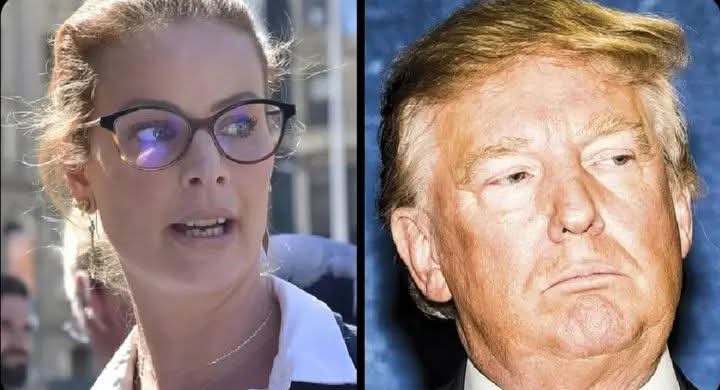
Washington is bracing for political shockwaves after an Epstein victim publicly claimed to have released audio recordings allegedly involving former President Donald Trump—a development that has immediately ignited fierce debate, heightened scrutiny, and renewed questions about accountability at the highest levels of power.
According to statements made by the accuser and their representatives, the recordings are said to capture conversations connected to Jeffrey Epstein and his broader circle, raising what supporters describe as “deeply troubling” ethical and political concerns. The contents of the tapes have not been independently verified, and Trump has not been charged with any crime related to Epstein. Still, the claims alone have sent ripples through political and media circles.
Within hours of the announcement, social media erupted, cable news programs cut into regular coverage, and legal analysts began parsing what such recordings—if authenticated—could mean. Some advocacy groups and political commentators are already calling for formal investigations, while others urge caution, warning against drawing conclusions before the recordings are fully examined.
Trump has repeatedly denied any wrongdoing related to Epstein and has previously said he distanced himself from Epstein years before Epstein’s first arrest. His representatives have dismissed past allegations as politically motivated, and no court has established criminal conduct involving Trump in connection to Epstein.
Nevertheless, the timing of the alleged release is politically volatile. Trump remains a central figure in American politics, and any new controversy tied to the Epstein case—one that continues to symbolize institutional failure and elite impunity—carries enormous public sensitivity.
Legal experts note that even unverified recordings can have significant political consequences. “In high-profile cases, perception often moves faster than proof,” said one former federal prosecutor. “The legal threshold and the political threshold are very different.”
Behind the scenes, lawmakers are reportedly monitoring developments closely. While no official congressional action has been announced, transparency advocates argue that the claims underscore the need for broader disclosure of Epstein-related records, many of which remain sealed or heavily redacted.
Critics of the justice system say this moment reflects a larger issue: why allegations involving powerful figures repeatedly surface years—or decades—after the fact. “This isn’t just about one person,” said a victims’ rights advocate. “It’s about how long survivors have had to wait to be heard.”
As of now, the authenticity and full context of the alleged audio remain under scrutiny. Media organizations are emphasizing verification, while urging audiences to distinguish between claims, evidence, and established facts.
What happens next could depend on whether independent investigators, journalists, or courts are able to authenticate the recordings and determine their relevance. Until then, the story continues to unfold—adding yet another chapter to a case that refuses to fade from public consciousness.
One thing is certain: the Epstein scandal is no longer confined to history. With new allegations emerging and political tensions already running high, Washington is once again confronting uncomfortable questions about power, secrecy, and accountability.

Cała Polska śledziła jej ciążę, właśnie urodziła! Zaraz po porodzie pokazała zdjęcia z porodówki

SZOKUJĄCE: AKTORKA JOANNA SZCZEPKOWSKA OSTRO OBRAŻA PREZYDENTA KAROLA NAWROCKIEGO! 😱😱 Ogromna fala oburzenia zalała całą Polskę! Ostre, wręcz bezwzględne słowa doświadczonej aktorki Joanny Szczepkowskiej wymierzone w prezydenta Karola Nawrockiego przekroczyły wszelkie granice, wprawiając opinię publiczną w LITERACKI SZOK I WŚCIEKŁOŚĆ! Co tam się naprawdę wydarzyło? Która kontrowersyjna wypowiedź rozpaliła tę gorącą dyskusję do czerwoności? 👉 ZOBACZ CAŁĄ WYPOWIEDŹ I SZCZEGÓŁY SPRAWY W PIERWSZYM KOMENTARZU! 👇

Ranking zaufania do polityków. Tak Polacy ocenili Nawrockiego i Tuska

Szef ochrony Karola Nawrockiego ujawnił kulisy incydentu w Ząbkowicach. Doszło do niego podczas kampanii

Ludzie będą o tym pamiętać 😱

Sondaż United Surveys: Morawiecki wyprzedza Czarnka jako kandydat PiS na premiera

Karol Strasburger zaczynał od nawigacji i inżynierii sanitarnej. Dopiero potem poszedł do szkoły teatralnej

Tego nikt wcześniej nie wiedział o Nawrockim. Pracował nie tylko w Grand Hotelu!

Niespodziewany zwrot, mało kto spodziewał się takiego obrotu spraw 😱

Z ostatniej chwili, przełomowe informacje obiegły Polskę 😱

Najnowsze wyniki mogą całkowicie zmienić polityczną grę. Sprawdź, kto prowadzi i kto traci!
