
NEWS
Breaking: One Signature Away From Crisis: Trump’s Iran Talks Leave Netanyahu Facing a Military Countdown.

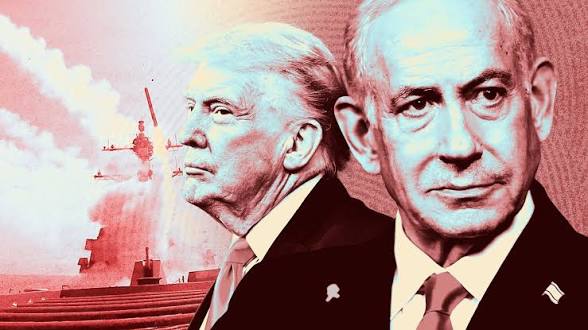
Breaking: Trump told Netanyahu — no compromise on Iranian uranium. But the deal actually being negotiated allows Iran to enrich again after 12 years. Israel’s IDF sees a window to strike.
One Signature Away From Crisis: Trump’s Iran Talks Leave Netanyahu Facing a Military Countdown
The gap between Washington and Jerusalem may be narrowing publicly, but behind closed doors, pressure is building fast over the future of Iran’s nuclear program.
According to multiple recent reports, President Donald Trump has privately assured Israeli Prime Minister Benjamin Netanyahu that the United States would not accept a deal allowing Iran to maintain a path toward nuclear weapons capability. Yet details emerging from ongoing negotiations suggest Iran could eventually regain the ability to enrich uranium after a long-term restriction period — a possibility that has alarmed Israeli officials and military planners.
For Netanyahu, that is not a technical disagreement. It is a strategic red line.
Israeli security officials have spent years arguing that any agreement leaving Iran with enrichment infrastructure simply delays the threat instead of eliminating it. Netanyahu has repeatedly insisted that Iran’s nuclear facilities must be fully dismantled, not merely paused or monitored.
The concern inside Israel is growing because military officials reportedly believe the current moment presents a rare operational window. Iran’s regional allies have been weakened, its air defenses heavily tested, and its nuclear infrastructure remains under international scrutiny after months of escalating tensions. Some within Israel’s defense establishment fear that if diplomacy produces a compromise deal, that window could close for years.
That has created a dangerous countdown.
Trump, meanwhile, is trying to balance two competing objectives: preventing Iran from obtaining a nuclear weapon while also avoiding a major Middle East war that could pull the United States into another prolonged conflict. Reports indicate that discussions around enriched uranium stockpiles and future enrichment rights remain among the most difficult issues in negotiations.
Iran’s expanding uranium reserves have only intensified those fears. International watchdog reports over the past year have warned that Tehran continues to accumulate uranium enriched close to weapons-grade levels, raising concerns among Western and Israeli officials alike.
The political stakes are enormous for both leaders.
For Trump, signing a deal seen as “too soft” on Iran risks backlash from pro-Israel allies and national security hawks who argue Tehran cannot be trusted. For Netanyahu, accepting any agreement that eventually restores Iranian enrichment capability could damage his credibility after decades spent warning the world about Iran’s nuclear ambitions.
The deeper issue, however, is trust.
Israeli officials reportedly fear that diplomacy could once again create temporary calm while allowing Iran to preserve the knowledge, infrastructure, and long-term pathway needed to rebuild its program later. Netanyahu has signaled repeatedly that Israel reserves the right to act independently if it believes negotiations fail to remove the threat permanently.
That is why every new proposal, every leaked draft, and every message from Tehran is now being watched with extreme urgency in Jerusalem.
Because if negotiations move forward without the guarantees Israel wants, Netanyahu could soon face the decision he has tried to delay for years: trust American diplomacy — or trust the Israeli military’s argument that the window to act is closing fast.

WŁAŚNIE OGŁOSILI! Zobacz więcej

Totalny wstrząs w sondażach! 🤯 Takich wyników jeszcze nie było. Zobacz 👇

Uuu…. Co się dzieje! 😱 @obserwujący⤵️⤵️

🚨 HE’S COMING HOME: The same former first-round draft pick who once electrified Rogers Place is eyeing a sensational return to the Edmonton Oilers — and the entire NHL world is already trembling! 🏒🔥 Full story via 👇

Ugandan-Born NYC Mayor Sues to Stop Trump From Blocking Welfare-Dependent Green Cards

Late-night host Jimmy Kimmel recently sparked a debate online after suggesting the Trump era will ultimately be remembered as one of the most shameful chapters in American history.

Trump says Zelenskyy must stop striking Russian diesel infrastructure because the attacks are contributing to fuel shortages.

Waldemar Żurek od ponad roku kieruje Ministerstwem Sprawiedliwości i pozostaje jedną z najbardziej wyrazistych postaci rządu.

Pierwsze 72 godziny są kluczowe ‼ Służby wyjaśniają, co należy zrobić ⬇

Czegoś podobnego nikt się nie spodziewał 😱😱👇

Wystarczył jeden oficjalny komunikat, by na Wyspach zapanowała przejmująca cisza… 💔🕯️
