
NEWS
GULF STATES SIGNAL MAJOR SHIFT: Saudi Arabia, UAE, Kuwait, and Qatar Eye Withdrawal from U.S. Contracts Amid Crushing Economic Strain from Iran War

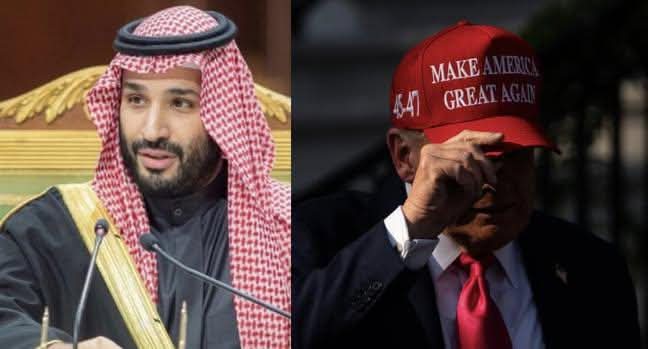
The escalating U.S.-Israeli military campaign against Iran, now in its second month, has triggered an unprecedented financial reckoning among America’s closest Gulf allies. According to a bombshell report from the Financial Times published March 5, 2026, Saudi Arabia, the United Arab Emirates (UAE), Kuwait, and Qatar are actively reviewing—and potentially preparing to scale back or cancel—major contracts, investment pledges, and future commitments in the United States to offset the mounting economic damage inflicted by the conflict.
A senior Gulf official, speaking anonymously to the FT, confirmed that officials from three of the four largest Gulf economies (Saudi Arabia, UAE, Kuwait, and Qatar) have held joint discussions on the severe budget pressures caused by the war. These include skyrocketing defense expenditures, disrupted energy exports, halted tourism and aviation sectors, and widespread infrastructure damage from Iranian retaliatory strikes on U.S. bases and regional targets.
“A number of Gulf countries have begun an internal review to determine whether force majeure clauses can be invoked in current contracts, while also reviewing current and future investment commitments in order to alleviate some of the anticipated economic strain from the current war,” the official stated.
The potential pullback threatens billions—possibly trillions—in pledged capital. In recent years, these nations have funneled massive sums into the U.S. economy:
Saudi Arabia and the UAE each pledged hundreds of billions in direct investments and energy deals.
The UAE alone committed to a staggering $1.4 trillion over 10 years following high-level talks.
Qatar and Saudi Arabia followed with similar multi-trillion-dollar frameworks covering technology, infrastructure, and defense.
These investments were seen as cornerstones of deepening U.S.-Gulf ties, often tied to strategic partnerships and support for American foreign policy. Now, with Iranian missiles and drones repeatedly targeting U.S. bases in the region (including Al Udeid in Qatar, Al Dhafra in the UAE, and facilities in Kuwait and Bahrain), the Gulf states are bearing direct costs—both financial and reputational—without clear endgame benefits.
The war has already caused:
Sharp spikes in defense spending as nations rush to replenish interceptor missiles and bolster air defenses.
Disruptions to oil and gas shipments through the Strait of Hormuz, driving up global energy prices but squeezing domestic revenues amid production halts and refinery attacks.
Cancellations in tourism and business travel, hammering diversification efforts like Saudi Vision 2030 and UAE’s post-oil economy.
Stock market volatility, with exchanges in Kuwait temporarily suspending trading amid the chaos.
Analysts warn that any invocation of force majeure or outright withdrawal could ripple far beyond bilateral ties. It might pressure the U.S. administration—under President Trump—to reconsider the pace or scope of operations against Iran, especially if key allies signal that prolonged conflict is unsustainable. Redirecting sovereign wealth funds toward domestic priorities or alternative markets (China, Europe, or intra-Gulf projects) could also reshape global capital flows.
Gulf leaders have long balanced security alliances with the U.S. against economic pragmatism and regional stability. The FT report suggests frustration is boiling over: the allies feel exposed to Iranian retaliation without adequate advance warning or sufficient U.S. protection, while the war diverts resources from long-term development goals.
No official withdrawals have been announced yet—the discussions remain precautionary and internal. However, the mere fact that these powerhouse economies are openly weighing such steps marks a potential turning point in U.S.-Gulf relations. As the conflict drags on with no clear resolution, the economic leverage once used to strengthen alliances could now become a tool to force de-escalation.
The message from Riyadh, Abu Dhabi, Kuwait City, and Doha is unmistakable: the price of endless war is becoming too high—even for the world’s richest oil states. Whether Washington adjusts course or the Gulf follows through on its reviews could define the next phase of the crisis—and the future of transatlantic-Gulf financial interdependence. The clock is ticking, and the stakes have never been higher.

WŁAŚNIE OGŁOSILI! Zobacz więcej

Totalny wstrząs w sondażach! 🤯 Takich wyników jeszcze nie było. Zobacz 👇

Uuu…. Co się dzieje! 😱 @obserwujący⤵️⤵️

🚨 HE’S COMING HOME: The same former first-round draft pick who once electrified Rogers Place is eyeing a sensational return to the Edmonton Oilers — and the entire NHL world is already trembling! 🏒🔥 Full story via 👇

Ugandan-Born NYC Mayor Sues to Stop Trump From Blocking Welfare-Dependent Green Cards

Late-night host Jimmy Kimmel recently sparked a debate online after suggesting the Trump era will ultimately be remembered as one of the most shameful chapters in American history.

Trump says Zelenskyy must stop striking Russian diesel infrastructure because the attacks are contributing to fuel shortages.

Waldemar Żurek od ponad roku kieruje Ministerstwem Sprawiedliwości i pozostaje jedną z najbardziej wyrazistych postaci rządu.

Pierwsze 72 godziny są kluczowe ‼ Służby wyjaśniają, co należy zrobić ⬇

Czegoś podobnego nikt się nie spodziewał 😱😱👇

Wystarczył jeden oficjalny komunikat, by na Wyspach zapanowała przejmująca cisza… 💔🕯️
