
NEWS
🇨🇳🇺🇸 Trump confirmed today that China is refusing to buy NVIDIA chips because they are developing their own.

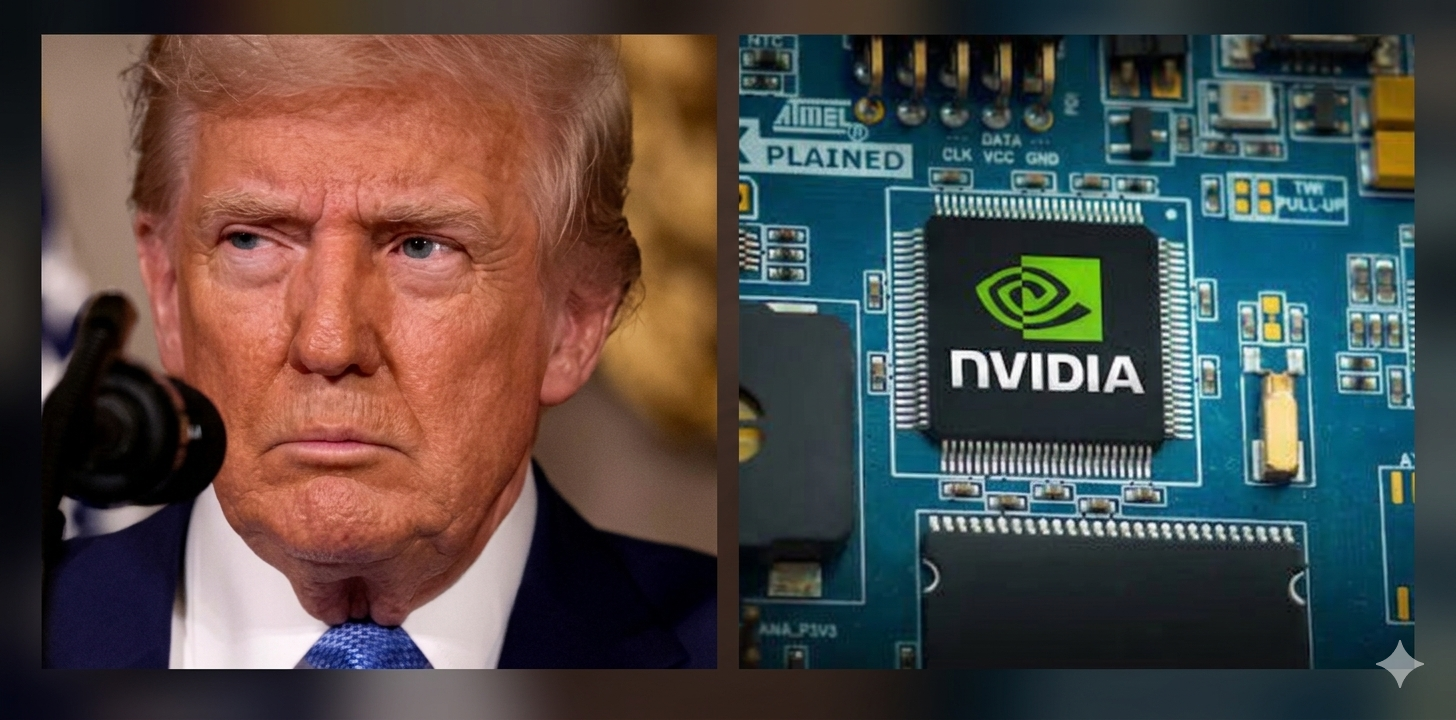
China Turns Away From NVIDIA as Trump Confirms Beijing’s Push for Homegrown AI Chips
A new chapter in the escalating technology rivalry between the United States and China is unfolding after President Donald Trump confirmed that China is refusing to purchase advanced AI chips from NVIDIA because Beijing is focused on building its own domestic alternatives.
The statement comes amid growing tensions between the world’s two largest economies over artificial intelligence, semiconductor dominance, and national security. According to reports following Trump’s high-profile visit to China, Chinese firms have not moved forward with purchases of NVIDIA’s H200 AI chips despite recent U.S. approvals allowing limited exports.
Trump reportedly acknowledged that China’s hesitation is tied to its long-term strategy of reducing dependence on American technology. Instead of relying on U.S.-made processors, Chinese companies and government-backed technology groups are accelerating efforts to design and manufacture advanced chips domestically.
The development highlights how the global AI race is becoming increasingly tied to geopolitical power. For years, NVIDIA has dominated the AI hardware market with chips used to train powerful artificial intelligence systems. However, U.S. export restrictions aimed at limiting China’s technological progress have pushed Beijing to invest billions into self-sufficiency in semiconductors and AI infrastructure.
Despite Washington easing some restrictions to allow exports of NVIDIA’s H200 chips to approved Chinese firms, no major sales have materialized. Reports suggest Chinese authorities remain cautious about becoming dependent on U.S. suppliers during a period of rising trade tensions and uncertainty over future sanctions.
The lack of progress also disappointed investors who had hoped Trump’s China summit would lead to major technology agreements. Semiconductor stocks fell after it became clear that no breakthrough deal on AI chips had been reached between the two countries.
At the center of the drama is the broader battle over AI supremacy. American officials argue that advanced chips could strengthen China’s military and surveillance capabilities, while Chinese leaders view U.S. export controls as an attempt to slow the country’s rise as a technological superpower.
Meanwhile, China’s domestic chipmakers are rapidly advancing. Analysts believe Beijing sees the current standoff as an opportunity to create a fully independent semiconductor ecosystem capable of competing directly with Silicon Valley giants. Companies across China are now racing to develop processors that can rival NVIDIA’s technology in both performance and scale.
Trump’s remarks underscore how artificial intelligence has become one of the defining battlegrounds of the U.S.-China rivalry. What once appeared to be a simple trade dispute is now evolving into a full-scale contest over who will control the future of computing, AI, and global technological leadership.

WŁAŚNIE OGŁOSILI! Zobacz więcej

Totalny wstrząs w sondażach! 🤯 Takich wyników jeszcze nie było. Zobacz 👇

Uuu…. Co się dzieje! 😱 @obserwujący⤵️⤵️

🚨 HE’S COMING HOME: The same former first-round draft pick who once electrified Rogers Place is eyeing a sensational return to the Edmonton Oilers — and the entire NHL world is already trembling! 🏒🔥 Full story via 👇

Ugandan-Born NYC Mayor Sues to Stop Trump From Blocking Welfare-Dependent Green Cards

Late-night host Jimmy Kimmel recently sparked a debate online after suggesting the Trump era will ultimately be remembered as one of the most shameful chapters in American history.

Trump says Zelenskyy must stop striking Russian diesel infrastructure because the attacks are contributing to fuel shortages.

Waldemar Żurek od ponad roku kieruje Ministerstwem Sprawiedliwości i pozostaje jedną z najbardziej wyrazistych postaci rządu.

Pierwsze 72 godziny są kluczowe ‼ Służby wyjaśniają, co należy zrobić ⬇

Czegoś podobnego nikt się nie spodziewał 😱😱👇

Wystarczył jeden oficjalny komunikat, by na Wyspach zapanowała przejmująca cisza… 💔🕯️
