
NEWS
🚨 BREAKING: 🇬🇷 GREECE TAKES ACTION AGAINST IRAN! NEW SANCTIONS MOVE RAISES BIG QUESTIONS ABOUT TEHRAN’S FINANCIAL FUTURE 🌍⚠️

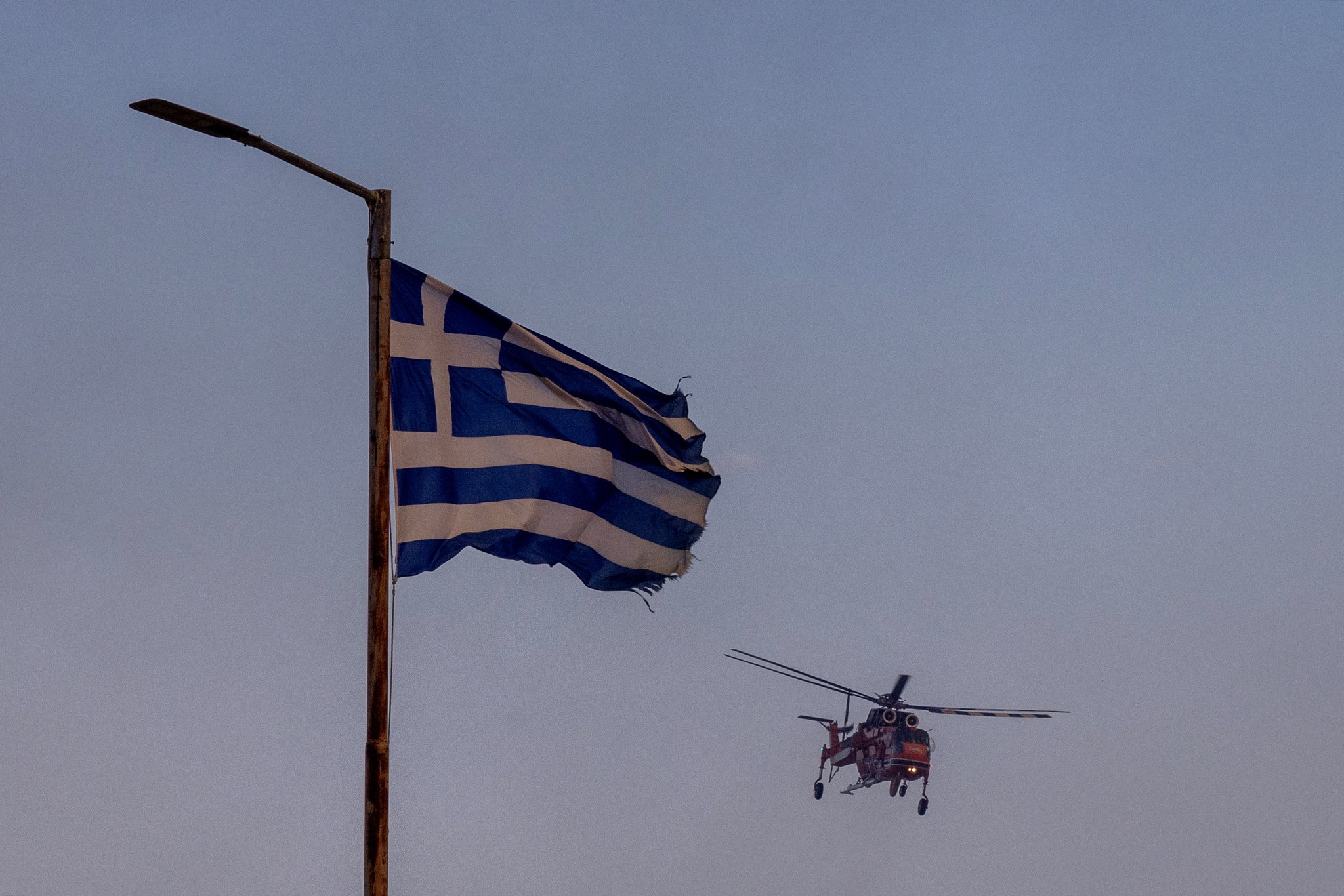
🚨 BREAKING: 🇬🇷 GREECE TAKES ACTION AGAINST IRAN! NEW SANCTIONS MOVE RAISES BIG QUESTIONS ABOUT TEHRAN’S FINANCIAL FUTURE 🌍⚠️
A major financial and diplomatic development is drawing attention after Greece’s Finance Ministry announced that it is implementing sanctions against Tehran and supporting efforts to combat money laundering and illicit financial activities linked to Iran. Could this move have wider implications for Iran’s international financial relationships? The answer could depend on how these measures are implemented and whether other countries take similar steps.
International relations are often shaped by decisions that happen far away from the public spotlight. Sometimes, the most significant developments do not begin with military confrontations, dramatic speeches, or emergency diplomatic meetings. Instead, they emerge through financial policies, economic restrictions, and decisions that can influence how countries conduct business across international borders. Greece’s reported move against Iran brings this important dimension of international politics into focus.
The announcement from Greece’s Finance Ministry highlights the country’s position on sanctions and efforts to prevent money laundering and illicit financial activities connected to Iran. While the full implications will depend on the specific measures being implemented, the development raises important questions about financial accountability, international cooperation, and the economic consequences of sanctions.
For Iran, the announcement comes with another reminder that international financial relationships can be influenced by political decisions far beyond its borders. For Greece, it places financial enforcement and cooperation against illicit activities at the center of an increasingly complicated international environment.
But what exactly does this announcement mean, and why should people pay attention?
🇬🇷 WHY GREECE’S DECISION MATTERS
Greece occupies a strategically important position in southeastern Europe, connecting the Mediterranean region with the wider European economic and political landscape. As a member of the European Union, Greece operates within a broader framework of European financial regulations and international cooperation.
When a country announces the implementation of sanctions, the details matter enormously. The measures could affect particular individuals, organizations, financial transactions, or other activities, depending on the legal framework involved. It is therefore important to distinguish between the announcement of sanctions and the specific restrictions that may apply.
In this case, Greece’s Finance Ministry has stated that it is implementing sanctions against Tehran and supporting efforts to combat money laundering and illicit financial activities linked to Iran.
The significance of the announcement lies in the connection between financial enforcement and international diplomacy. Governments increasingly rely on financial regulations, sanctions, and cooperation between institutions to address activities they consider unlawful or contrary to international obligations.
Such measures can have consequences beyond the immediate targets. Financial institutions may need to review transactions, strengthen compliance procedures, and assess whether particular activities fall within applicable restrictions.
However, the actual impact depends on the scope of the measures, the entities involved, and how effectively the relevant rules are enforced.
⚠️ THE FINANCIAL SIDE OF INTERNATIONAL POLITICS
When people hear the word “sanctions,” they often imagine a dramatic confrontation between governments. Yet sanctions frequently operate through financial systems, regulatory requirements, and restrictions on particular transactions.
Governments may use sanctions to influence behavior, enforce international obligations, or put pressure on individuals and organizations. Measures targeting illicit financial activities can also be intended to make it more difficult for prohibited transactions to move through legitimate financial channels.
Money laundering is a serious international concern because it can allow proceeds from criminal activity to enter the financial system while obscuring their origins. Governments and financial institutions therefore use monitoring procedures, reporting requirements, and other safeguards to identify suspicious transactions and comply with the law.
Nevertheless, sanctions and anti-money-laundering measures are not identical. Sanctions impose restrictions on designated activities, individuals, organizations, or transactions, while anti-money-laundering rules focus on detecting and preventing the movement of illegally obtained funds.
Greece’s announcement brings these issues together in a development that deserves careful attention.
The key question is not simply whether sanctions have been announced. It is how the measures will operate, which activities they cover, and what practical consequences follow.
🇮🇷 WHAT COULD THIS MEAN FOR IRAN?
For Iran, sanctions-related developments can raise concerns about access to international financial services, commercial relationships, and the ability of affected individuals or organizations to conduct transactions.
However, the consequences of any particular announcement cannot be determined without examining its precise legal scope.
If the measures apply to specific individuals, organizations, or financial activities, the immediate effects may be concentrated on those targets. If the restrictions are broader, the implications could extend further, depending on the transactions and institutions covered.
It would therefore be premature to conclude that Greece’s announcement will cause a major economic crisis in Iran or fundamentally change Tehran’s financial position.
What can be said is that sanctions enforcement can create additional compliance responsibilities for businesses and financial institutions that must determine whether their activities are permitted under the applicable rules.
Companies involved in international trade may need to examine their relationships, review relevant documentation, and ensure that their transactions comply with the law.
For governments, the challenge is to enforce legitimate restrictions while understanding the potential economic and diplomatic consequences.
For the public, the development offers another opportunity to examine how financial policy can influence international relations without involving direct military action.
🌍 COULD OTHER COUNTRIES FOLLOW THE SAME PATH?
One of the biggest questions surrounding this development is whether other countries will take similar steps.
International sanctions can be implemented through different legal mechanisms, including national legislation, regional frameworks, and international obligations. Whether another country adopts comparable measures depends on its laws, diplomatic priorities, security assessments, and existing commitments.
Greece’s announcement does not, by itself, establish that additional countries are preparing new sanctions against Iran.
Nevertheless, developments involving financial enforcement can attract attention from governments, regulators, businesses, and international observers who are monitoring changes in sanctions policy.
If additional measures were announced in the future, their significance would depend on the countries involved, the restrictions imposed, and the extent to which those measures overlap with existing policies.
That is why the details matter more than speculation.
A carefully documented announcement can provide valuable information about the direction of a country’s policy. Claims about a much larger international campaign, however, require separate evidence.
For now, the central development is Greece’s stated decision to implement sanctions against Tehran and support efforts to combat money laundering and illicit financial activities linked to Iran.
💼 WHY BUSINESSES AND FINANCIAL INSTITUTIONS SHOULD PAY ATTENTION
Sanctions are not only a concern for governments. They can also create practical challenges for banks, businesses, exporters, importers, and organizations involved in international transactions.
Financial institutions may need to determine whether customers, counterparties, or transactions are subject to restrictions. Businesses may have to review contracts, examine supply chains, and ensure that payments comply with applicable legal requirements.
Failure to comply with relevant sanctions can expose organizations to serious legal and financial consequences.
At the same time, businesses must avoid assuming that every transaction involving a particular country is automatically prohibited. The applicable restrictions, relevant exemptions, and specific legal requirements must be examined carefully.
This distinction is particularly important when headlines about sanctions begin circulating online. A general announcement does not necessarily mean that all trade, banking activity, or financial dealings involving a country have been banned.
Understanding the exact scope of the measures is essential.
The announcement from Greece therefore deserves attention not because every possible consequence is already known, but because sanctions enforcement can have real implications for organizations operating across international borders.
🔥 THE BIGGER PICTURE: DIPLOMACY, PRESSURE, AND ECONOMIC CONSEQUENCES
International politics involves more than military power. Financial regulations, trade restrictions, diplomatic negotiations, and economic partnerships can all influence the relationships between countries.
Sanctions are one of the tools governments use to pursue policy objectives. Supporters may argue that they provide a means of applying pressure without resorting to military force. Critics, however, often question their effectiveness, point to unintended consequences, or argue that broad restrictions can affect people who are not responsible for government decisions.
The effectiveness of sanctions depends on several factors, including the clarity of their objectives, the cooperation of other countries, the ability to enforce restrictions, and the responses of those targeted.
Some measures may significantly constrain particular activities. Others may have limited effects or encourage affected parties to seek alternative arrangements.
There is no universal outcome.
In the case of Greece’s announcement, it remains important to establish the precise measures being implemented before making firm predictions about their economic or diplomatic consequences.
Still, the development highlights a continuing reality of international affairs: decisions about financial systems can become instruments of foreign policy, and those decisions can attract attention far beyond the countries directly involved.
👀 WHAT HAPPENS NEXT?
The next important developments to watch are the specific details of the sanctions, the legal framework under which they are being implemented, and any official clarification about the activities covered.
Observers will also be interested in whether Greece announces further enforcement measures and whether relevant European or international institutions issue additional statements.
Any assessment of the consequences should be based on confirmed information rather than assumptions about what might happen next.
It is equally important to distinguish between the implementation of existing sanctions and the announcement of entirely new restrictions. Those are different developments, and confusing them can create a misleading picture of the situation.
For anyone following international politics, the lesson is clear: the details of financial policy can matter just as much as the headlines announcing it.
Greece’s stated action against Tehran has brought sanctions enforcement and the fight against illicit financial activities back into the conversation. Whether the move has a significant wider impact will depend on the measures involved and how they are applied.
One thing is certain: international financial policy remains an important part of the global political landscape, and developments like this deserve close attention.
🗣️ NOW, LET’S HEAR YOUR OPINION!
Do you believe financial sanctions are an effective way to pressure governments and combat illicit financial activities, or do you think they can create more problems than they solve?
🇬🇷 Should Greece continue implementing these measures?
🇮🇷 Could sanctions have a meaningful impact on Iran’s financial activities?
🌍 Should other countries adopt similar measures when dealing with concerns about illicit financial transactions?
DROP YOUR OPINION IN THE COMMENTS! Let’s have a serious discussion about the role of sanctions in international politics.
🔁 REPOST this article to get more people talking about international affairs.
❤️ LIKE if you believe financial accountability matters.
📢 FOLLOW for more international news, political developments, and important global stories.
DISCLAIMER: This article discusses the announcement as described. The specific legal scope and wider consequences of the measures should be assessed using official documentation and verified reporting.
📈 My recommendation for getting more engagement on X
Use the headline at the top of the article as your main hook, then post this shorter teaser to encourage people to open the full story and join the discussion.
🚨🇬🇷🇮🇷 GREECE TAKES ACTION AGAINST IRAN!
Greece’s Finance Ministry says it is implementing sanctions against Tehran while supporting efforts to combat money laundering and illicit financial activities linked to Iran.
Could this move have wider consequences for international relations? 🌍⚠️
👇 Do sanctions actually work, or do they create more problems?
COMMENT: YES or NO — and tell us WHY!

#Eagles RB Saquon Barkley is expected to return to practice today and is in line to play Monday against the #Cowboys, sources say. A lift for the team’s offense with a banged-up backfield and Jalen Hurts on the mend.

🚨 JUST IN: Jordan Love Dealing With Sore Back Before Lions Clash — But His Message Has Packers Fans Breathing a Sigh of Relief! 🏈🔥

JUST IN: NFL Cancels Steelers Fan House Event in Paris — But the Sunday Show Will Go On! What Is Really Happening?

Weather warning in place ahead of Storm Boelo

FROM FEEDING SOLDIERS TO FUNDING WEAPONS: Yemeni Women Take on a New Role as Houthi Fighters Tighten the Siege of Taiz

🚨 BREAKING: 🇬🇷 GREECE TAKES ACTION AGAINST IRAN! NEW SANCTIONS MOVE RAISES BIG QUESTIONS ABOUT TEHRAN’S FINANCIAL FUTURE 🌍⚠️

BREAKING: 49ERS GET HUGE BOOST! CHRISTIAN KIRK IS SET TO MAKE HIS SEASON DEBUT! 🔥🏈

MICHIGAN SENATE SHOWDOWN! Abdul El-Sayed and Mike Rogers Clash in Fiery Final Debate Ahead of November Midterms 🇺🇸🔥

🚨 BREAKING: Iran Signals New Weapons Reveal as Reports Claim Trump Has Ordered Plans for Strikes on Energy Infrastructure!

🚨🔥 GIANNIS AND LAMELO DEBUT FOR THEIR NEW TEAMS! NBA FANS ARE READY FOR A NEW ERA!

Former NFL Defense Allen Bailey Dead at 37
