
NEWS
JUST IN: 🇺🇸🇮🇱 US and Israeli military officials prepare targets for possible strikes on Iran as early as next week.

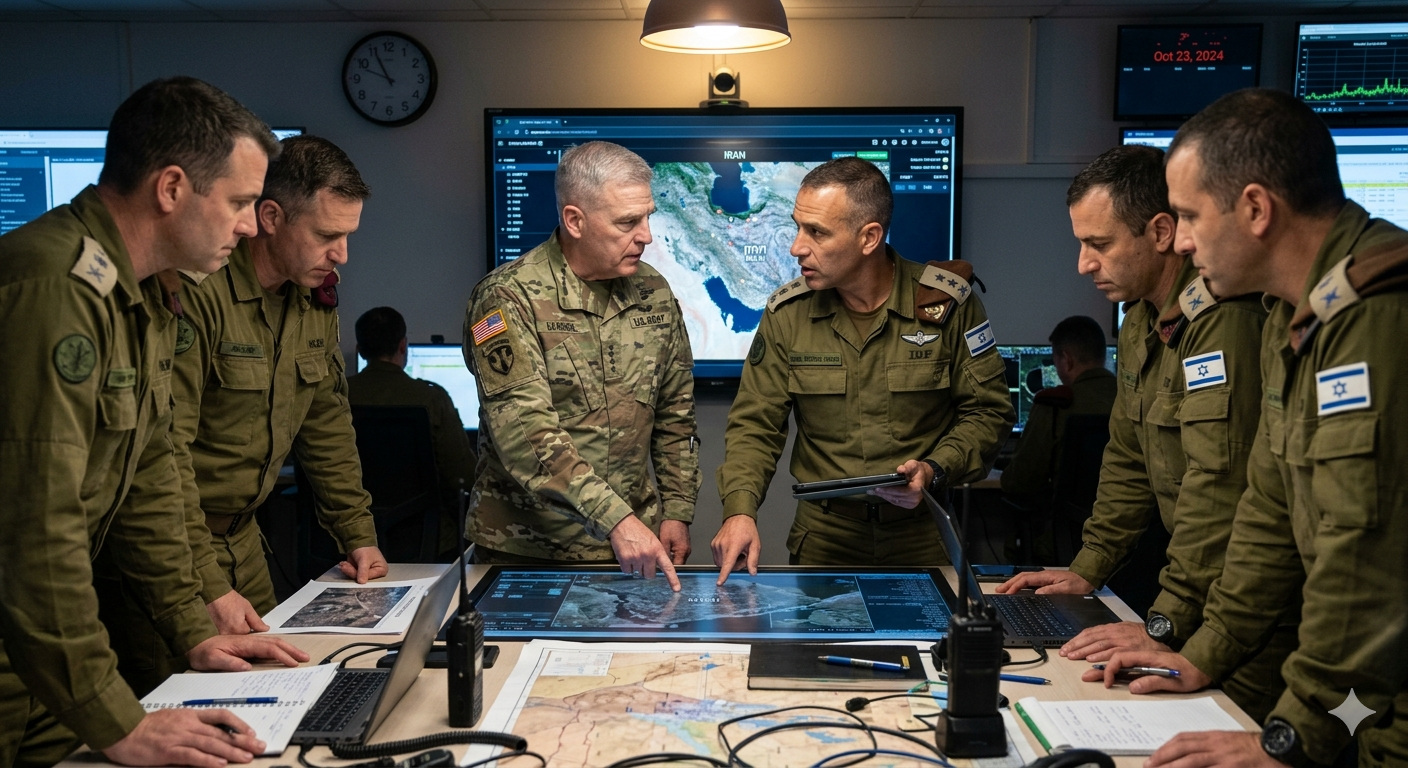
U.S. and Israel Reportedly Prepare Potential Iran Strike Targets Amid Rising Middle East Tensions
Fresh reports indicate that American and Israeli military officials are actively preparing potential strike targets inside Iran, with discussions reportedly focused on the possibility of military action as early as next week. The development has intensified global concern over a wider regional conflict that could reshape the geopolitical balance of the Middle East.
According to multiple reports and defense sources, strategic planning between Washington and Tel Aviv has accelerated in recent days as tensions with Tehran continue to escalate over Iran’s nuclear activities, regional influence, and military posture.
The reported preparations come amid growing fears that diplomacy between Iran and Western powers may be nearing a breaking point. Officials on both sides have repeatedly exchanged warnings, while military assets from the United States and its allies remain heavily positioned across the region. Aircraft carriers, missile defense systems, and advanced fighter jets have reportedly been placed on heightened alert status.
Israeli leaders have consistently argued that Iran’s nuclear program represents a direct threat to national security. Prime Minister Benjamin Netanyahu recently stated that the conflict with Iran cannot truly end unless Tehran’s enriched uranium capabilities are dismantled or removed entirely.
Meanwhile, officials connected to U.S. defense planning have reportedly examined scenarios involving coordinated strikes on Iranian military infrastructure, missile facilities, and nuclear-related sites if negotiations collapse or if Iran takes actions viewed as provocative by Washington and its allies.
Iran has warned that any direct military action against the country would trigger severe retaliation across the region. Iranian military commanders have repeatedly claimed they are fully prepared for what they describe as a “worst-case scenario,” raising fears of attacks on U.S. bases, shipping routes, or allied targets throughout the Middle East.
Defense analysts say even limited strikes could rapidly spiral into a much larger confrontation involving regional proxy groups and global economic consequences. Oil markets remain highly sensitive to developments surrounding the Strait of Hormuz, a critical route for international energy supplies. Any major escalation could send shockwaves through global markets and increase political pressure on world leaders already facing economic uncertainty.
Despite the intense military planning, officials familiar with the discussions caution that no final decision has been publicly confirmed. Diplomatic channels between Washington and Tehran are reportedly still active, though optimism surrounding a breakthrough appears to be fading.
As speculation grows, the world now watches closely to see whether the current crisis will move toward renewed negotiations — or edge closer to a dangerous military confrontation with global consequences.

Ważne zmiany dla rowerzystów już od czerwca. I dobrze, że wchodzi nowa kara

Doszło do ostrej wymiany zdań 😨

Maja Chwalińska odpowiada Dawidowi Podsiadle: „Pucharu nie mam, ale mogę dać Ci talerz”

Komornicy w Polsce odwoływani po 70. roku życia. Wcześniej granica wynosiła 65 lat

Tragiczny wypadek sprawił, że Tomasz Wygoda stracił nogę, a jego świat taneczny stanął w miejscu – pytanie, co stanie się z jego karierą, wstrząsnęło fanami i mediami. Historia artysty, dotąd pełna sukcesów i pasji, nagle stała się dramatycznym testem wytrzymałości i determinacji. Dopiero teraz wychodzą na jaw szczegóły wypadku, jego emocje, walka z bólem i trudnościami, a także decyzje, które mogą zaważyć na przyszłości w tańcu. Sprawdź komentarze, gdzie ujawniono wszystkie kulisy tej dramatycznej sytuacji oraz reakcje bliskich i ekspertów, które mogą zaskoczyć każdego 👇

Po Klaudię poleciał samolot medyczny. Piotr też czeka na ratunek

Pałac dostał już stanowisko Kapituły. Teraz wszystko w rękach Nawrockiego. Czytaj więcej w komentarzu 👇

Święczkowski podjął decyzję ws. sędziów TK. Niespodziewany zwrot

Zaskakujące sceny przed budynkiem prokuratury 😨

Marta Nawrocka w czarnej sukni rozbiła bank w Szwajcarii. Reszta przestała się liczyć

Pilny komunikat Rosji ws. Polski. Nie ma już odwrotu
